

Poixe supports calling models by either model alias or official native model name.
Aliases are only internal mappings. If the official models are later updated or replaced, we may adjust the alias mappings accordingly to keep them working.
Showcase
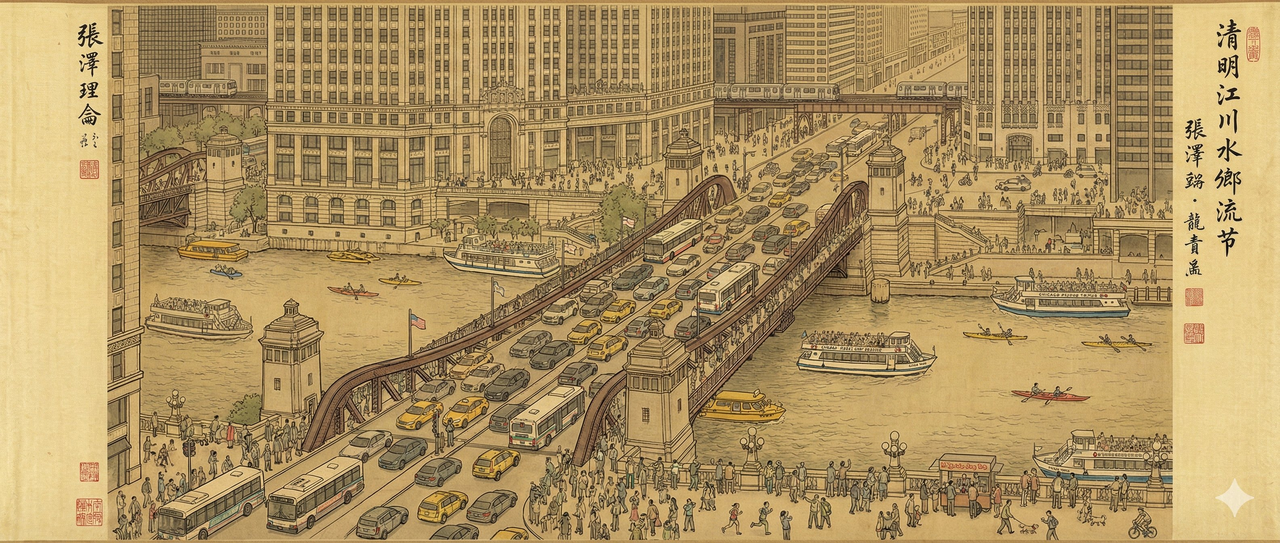
Nano Banana excels at text rendering, complex compositions, and understanding Eastern aesthetics.- Along the River During the Qingming Festival
- Movie Storyboard
- Acrylic Board
- Group Photo
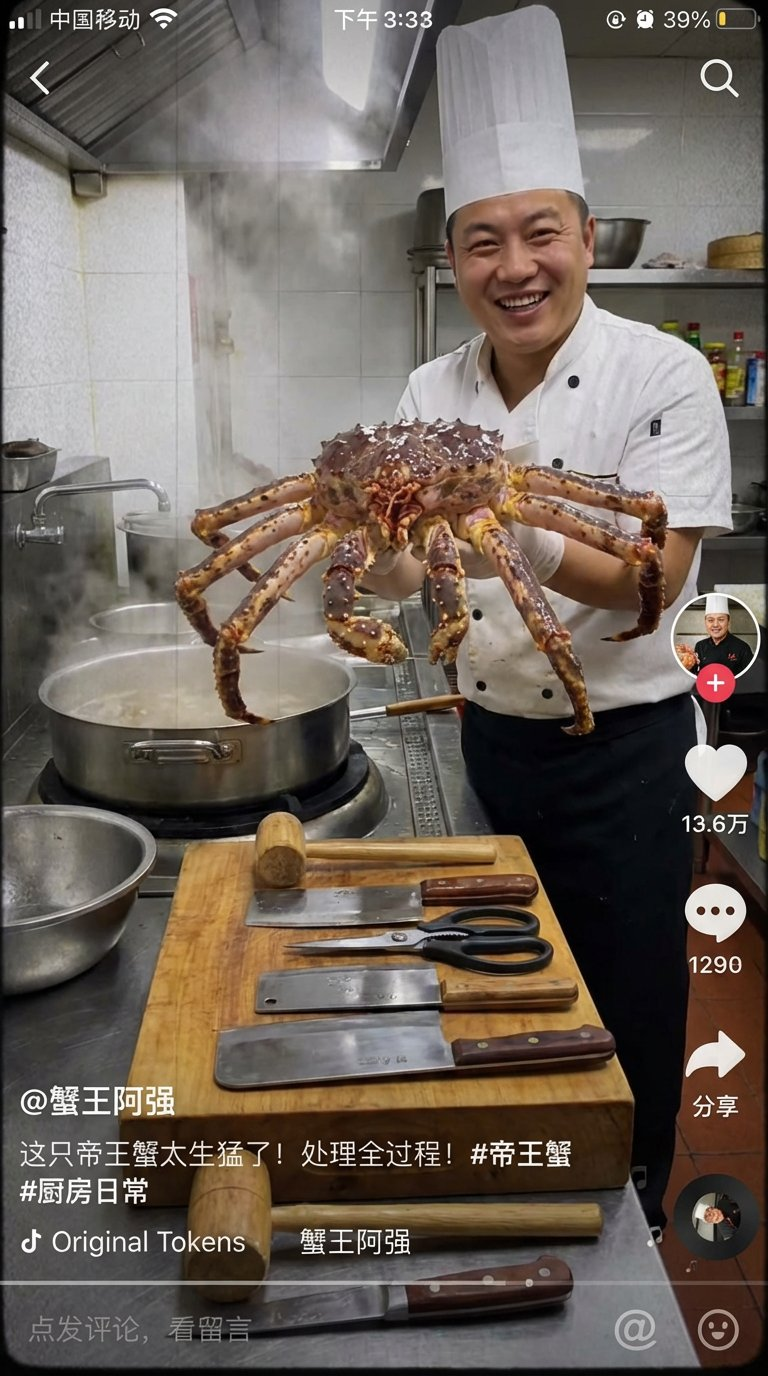
- Douyin Screenshot
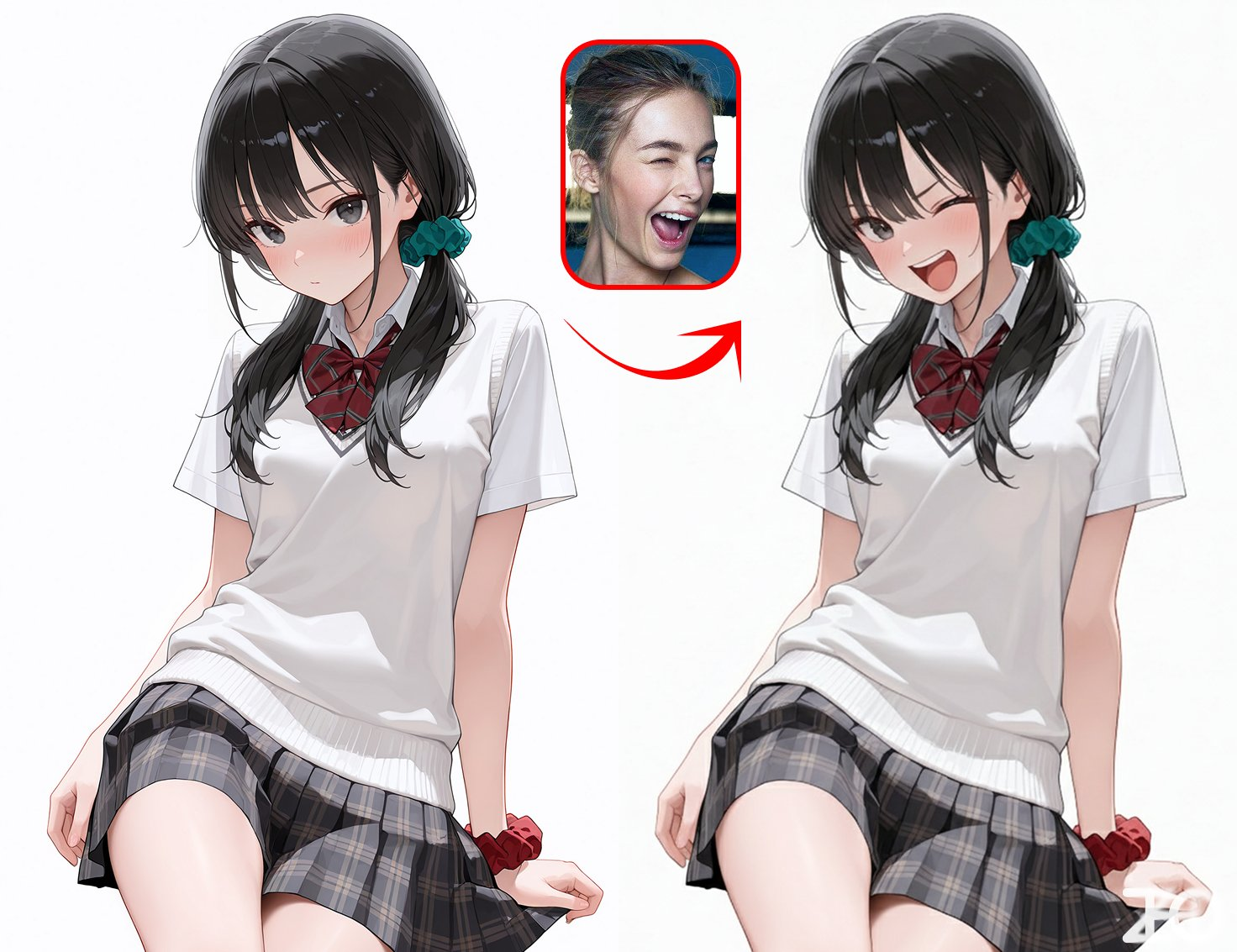
- Facial Expressions
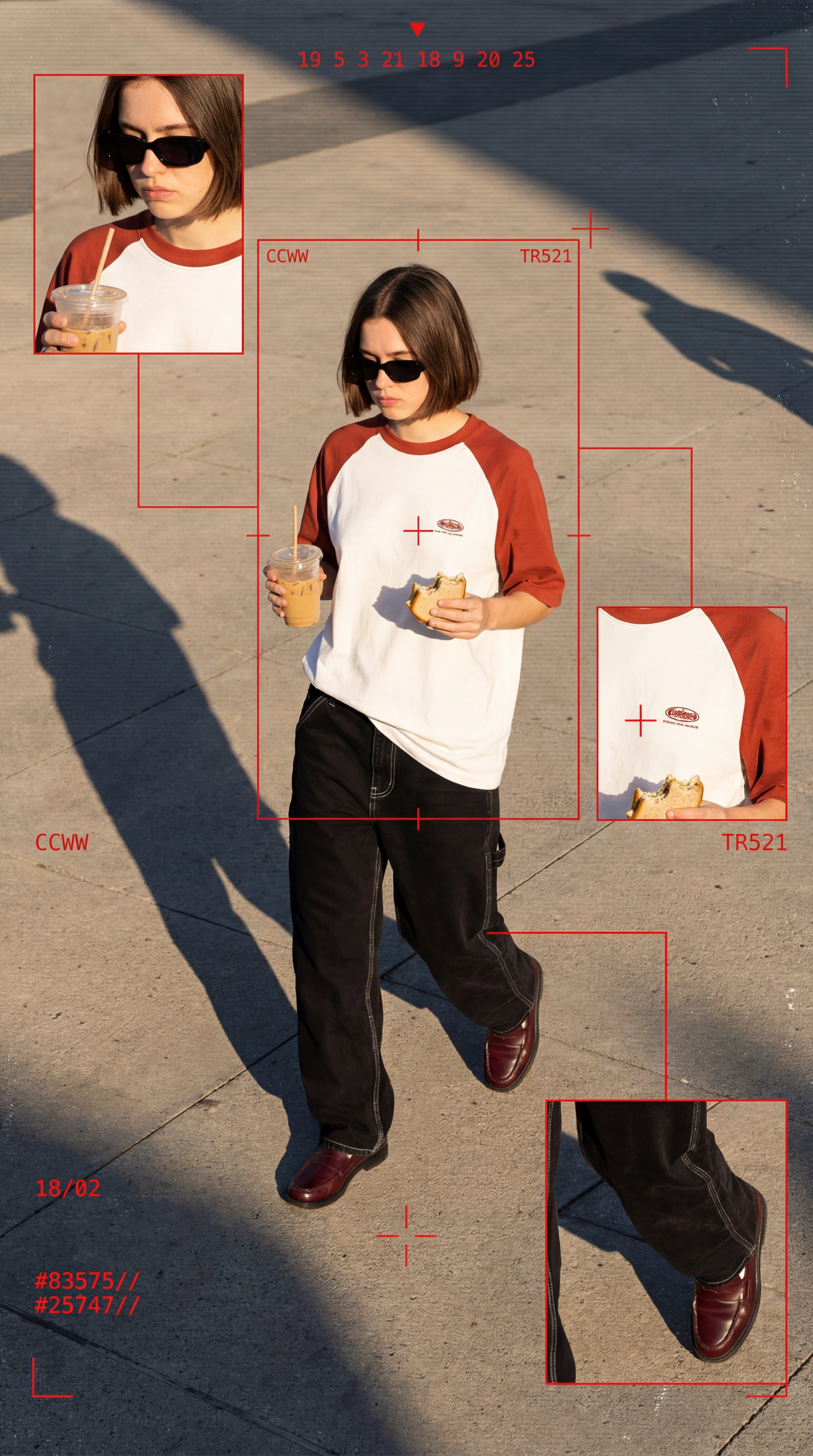
- Fashion Portrait
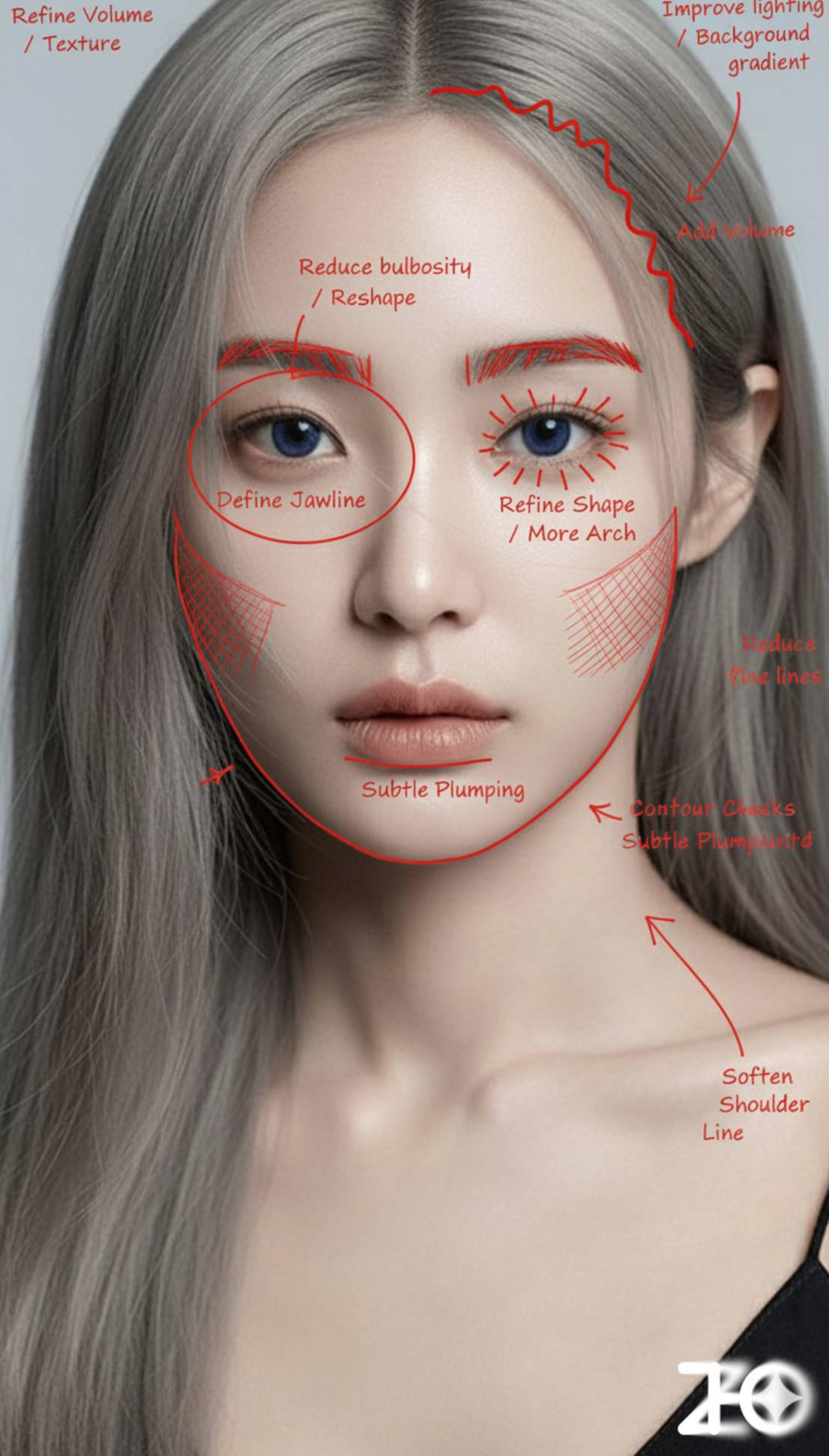
- Makeup Analysis
- Movie Poster




Model comparison
Recommendations:
- Fast image output, general scenarios →
nano-banana - High clarity, text rendering, professional design →
nano-banana-pro - Lower cost and higher concurrency →
nano-banana-2
Pricing
The Nano Banana family follows Google’s official billing logic, and also benefits from Poixe’s user-level discounts. Base billing has three parts: prompt input (Text/Image Input), text/thinking output (Text Output), and image generation output (Image Output).- Nano Banana
- Nano Banana Pro
- Nano Banana 2
Corresponds to
nano-banana or gemini-2.5-flash-image:- Input (text/image): $0.30 / 1M Tokens
- Output (text): $2.50 / 1M Tokens
- Output (image): $30.00 / 1M Tokens
- Per-image price: a standard image (1024x1024) consumes 1,290 tokens, about $0.039/image.
Note: The above is only the official pricing. The final price on Poixe is calculated from these official prices with a discount based on your benefit level (Level).
Quickstart
Poixe serves the Nano Banana models through the Google Gemini Content protocol, which is also the officially recommended way to call them. See the following documentation for details:Google Gemini Content Protocol
Learn how to call the Nano Banana models through this protocol
Note: Because Nano Banana models involve image generation, response times are usually longer. We recommend using the secondary endpoint, which is friendlier to long-lived connections without a CDN. For configuration, see Base URL.If your connection is unexpectedly interrupted during a call, see Recovering Interrupted Responses for how to use Poixe’s recovery mechanism to continue retrieving the unfinished response.
Request example
Response example
Output preview
Image data is returned base64-encoded. Decode it to get a PNG/JPEG image.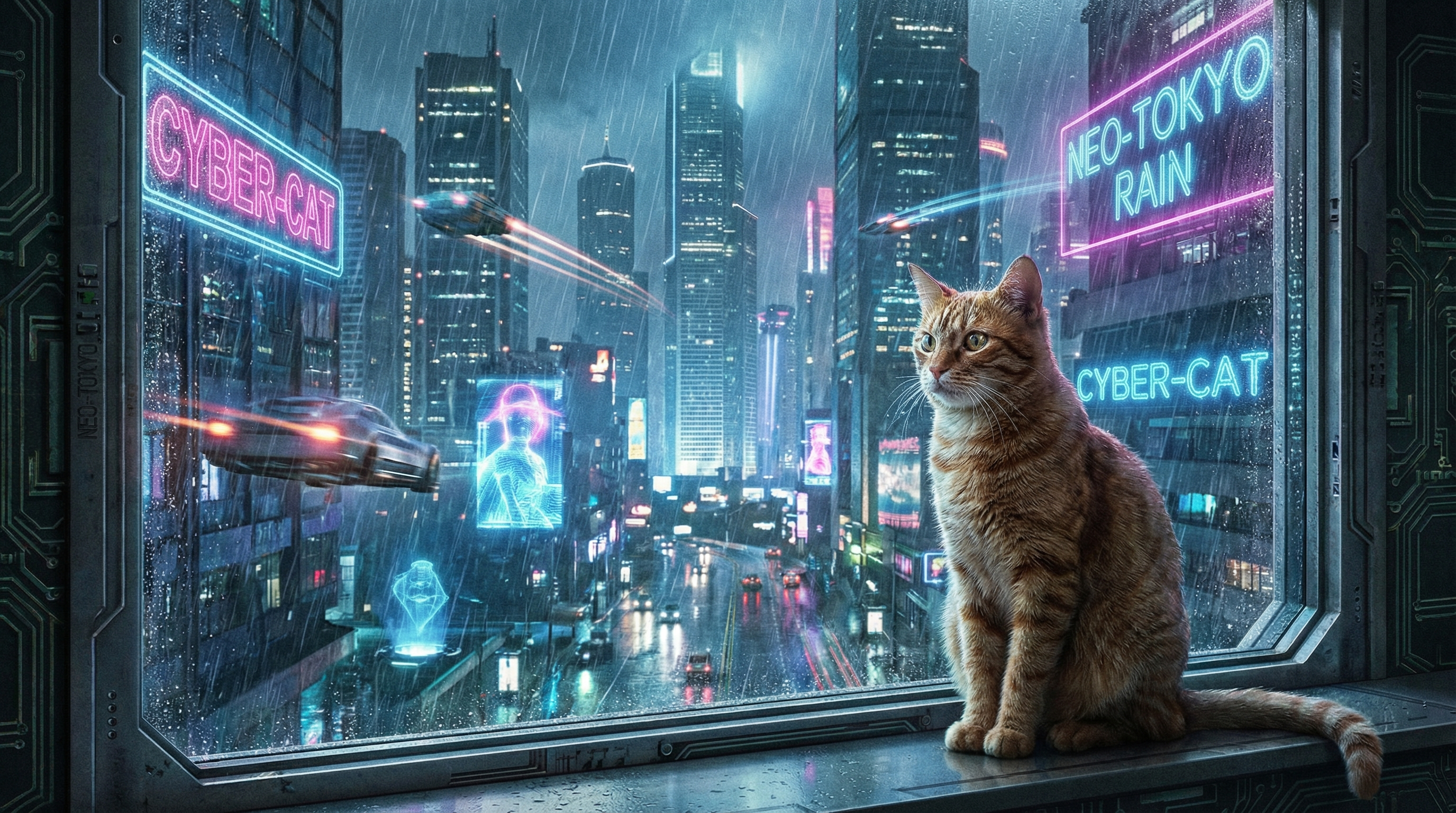
You can decode the base64 image data with an online tool (such as Base64 Image Viewer) or programmatically.
Parameters
Output type
UseresponseModalities to control what is returned:
Text, Image
Aspect ratio
UseimageConfig.aspectRatio to set the frame:
1:1, 2:3, 3:2, 3:4, 4:3, 4:5, 5:4, 9:16, 16:9, 21:9
Resolution
Supported output resolutions:1K (1024x1024), 2K (2048x2048), 4K (4096x4096)
Nano Banana Pro exclusive features
nano-banana-pro (gemini-3-pro-image-preview) offers the following advanced features:
- 4K HD output: supports three resolution levels: 1K/2K/4K
- Advanced text rendering: suited for infographics, menus, marketing assets, and similar scenarios
- Thinking mode: the model first generates draft concept images, then outputs the final high-quality image
- Multi-reference blending: supports up to 14 reference images (including 6 high-fidelity object images + 5 person images)
- Google Search grounding: generate images based on real-time data (weather, stocks, etc.)
Nano Banana 2 exclusive features
nano-banana-2 (gemini-3.1-flash-image-preview) delivers high-quality image generation and conversational editing at a mainstream price, with lower latency and higher throughput. It is an efficient counterpart to nano-banana-pro, optimized for speed-sensitive and high-concurrency scenarios.
Key updates:
- New resolution options: supports
0.5K / 1K / 2K / 4K(default 1K) - Enhanced real-time search: combines text and image search results to give generation real-time information
- Controllable thinking mode: the thinking phase can be turned on or off
- New aspect ratios: supports
1:4,4:1,1:8,8:1 - Better aspect ratio adherence: output framing is more stable
- Improved image quality and consistency
- Improved multilingual text rendering (i18n)
Limitations
- Best-supported languages: English, Chinese, Japanese, Korean, French, German, Spanish, and other major languages
- Audio and video input are not supported
- All generated images include a SynthID watermark
- Text rendering tip: first have the model generate the text content, then ask it to generate an image containing that text
Using a client
We recommend Cherry Studio. When configuring the model provider, choose the Google Gemini native protocol.Prompt resources
Awesome Nano Banana Images
Community-curated prompts and generation examples
Nano Banana Hackathon Kit
Google’s official Hackathon toolkit
FAQ
Which version should I choose?
Which version should I choose?
- Fast image output, general scenarios →
nano-bananaorgemini-2.5-flash-image - HD output, text rendering, professional design →
nano-banana-proorgemini-3-pro-image-preview - High-concurrency batch generation or cost-sensitive scenarios →
nano-banana-2orgemini-3.1-flash-image-preview
What is the difference between nano-banana and gemini-2.5-flash-image?
What is the difference between nano-banana and gemini-2.5-flash-image?
None.
nano-banana is an alias mapping within Poixe; the model actually called is
gemini-2.5-flash-image.Likewise, nano-banana-pro maps to gemini-3-pro-image-preview, and they are the same model.For stability, we recommend using the official model names directly.What format are the generated images?
What format are the generated images?
Images are returned as base64-encoded data, usually PNG or JPEG, ready to use once decoded.
Is image editing supported?
Is image editing supported?
Yes. You can upload images and edit them conversationally. Nano Banana Pro has stronger local editing capabilities.
Why does the number of generated images not match my request?
Why does the number of generated images not match my request?
The model does not always generate exactly the number of images requested. This is a known limitation of the model.